
by Lagoon_Admin | Jun 30, 2021 | General Dentistry
Headaches can be incredibly frustrating. When you have a headache, there are many different reasons why it may happen. One reason, which a lot of people do not realize, is because their jaw is the saw of the pain. The TMJ, otherwise known as the temporomandibular joint, could be to blame for what you are experiencing. The good news, though, is that we offer treatment for TMJ and migraines. Read on to discover more about this and please do not hesitate to get in touch for more information.
What is the TMJ?
The TMJ is a hinge that connects your skull and your jaw. It makes it possible for you to do things like chew, laugh, and talk. It makes it possible for your jaw to move side to side and up and down. Due to the sliding motions and hinge, this joint is a bit more complex when compared with other joints in your body. It can cause a number of different symptoms if there is an issue, and headaches are one of the main symptoms. They tend to be known as TMD, or temporomandibular disorders.
What causes a TMJ migraine?
There has not been a specific cause identified when it comes to TMJ migraines. Nevertheless, it is believed that it could be something as simple as grinding your teeth on a regular basis. Statistics show that around 10 percent of people experience TMJ pain. Moreover, approximately half of the United States population has encountered TMD. There are no specific statistics regarding TMJ headaches because it can be very difficult to distinguish a TMJ headache from a general headache.
So, let’s explain a bit more about the TMJ area so you can understand how these headaches happen. The muscles of the TMJ will run along your cheeks and jaw. Sometimes, these muscles can give you pain, including headaches. When the muscles within your jaw start tensing, which happens when you grind your teeth, the pain can start spreading to the other TMJ muscles, which are on the top and sides of your head, as well as along your cheek, and this is how a headache happens.
How can you tell if you have got a TMJ migraine?
As mentioned, it can be difficult to distinguish between a general headache and a TMJ migraine. There are a number of different kinds of migraines, yet TMJ headaches tend to happen with other symptoms as well. Examples include the following:
- Changes in the way that you bite, i.e. the manner in which your bottom and top teeth fit together
- Restriction in the movement of your jaw
- A “clicking” sound in your jaw
- Facial or jaw pain
- Tight jaw or facial muscles
Most people also tend to find that a TMJ headache will typically recur in one or several areas of your face and head. They can feel a bit like a tension headache.
Why it is important to see your dentist if you suspect issues with your jaw joint
If you have any problems or discomfort with regard to your jaw, scheduling an appointment with your dentist is a must. Your dentist is going to inquire about your medical history, any symptoms you have, and they will examine you too. They will assess your jaw, face, neck, and head to see if there is any tenderness present.
Your dentist may also ask you to move your jaw in different directions. The purpose of this is for them to see if you can move your jaw well. There may be clicking noises or pain when you try to move your jaw, and this could indicate that you do indeed have some sort of problem with your jaw joint. Your dentist will also ask you to open your mouth so that they can see whether you have any problem with your gums or teeth.
Your dentist is also going to want to get to the bottom of whether there is anything in particular that is triggering your jaw problems, for example, when you bite your nails or grind your teeth. Both of these actions can result in jaw issues.
As the jaw joint is very complex, there are a number of potential causes of jaw problems, and so it will be important for the dentist to carry out a number of tests so that they can get to the bottom of what is causing your symptoms. Once an examination has been carried out, your dentist will be able to provide you with an effective diagnosis.
Some of the tests that you could possibly have included an ultrasound scan, a magnetic resonance imaging (MRI) scan, a computed tomography (CT) scan, or an X-ray.
Irrespective of what treatment your dentist decides is right for you, there are a few things that you can do to help yourself. Trying to avoid bad habits, such as teeth grinding and jaw clenching, is very important. It is also advisable to eat foods that are soft in texture so that you do not have to chew for extended periods of time. Massaging the muscles around your jaw area can also be very beneficial. You should try out different stress reduction techniques as well, as stress is a big factor when it comes to grinding your teeth.
Contact Dental Excellence today
If you would like to find out more about our TMJ treatment, or you are ready to schedule an appointment, please do not hesitate to get in touch with us today for more information. We are always happy to answer any queries that you may have, no matter how big or small. Or, if you would prefer, you can request an appointment online.

by Lagoon_Admin | Apr 30, 2021 | Emergency Dentistry
While everybody has a regular dental appointment, sometimes waiting for our turn in the dentist chair is not an option. There are times when we need treatment right now, and time is of the essence. But dental emergencies are such a wide-ranging thing that you may not consider what constitutes a “dental emergency.” Let’s show you exactly what you need to know.
What Is a Dental Emergency?
If you have a dental emergency, it is very likely you will have one of the following common dental problems:
A Lost Tooth
A lost tooth constitutes a dental emergency. Whether your tooth was knocked out or it fell out, this is an emergency. Of course, it is worth noting that this is in adult teeth. With children’s teeth, they can fall out due to making way for the next collection of teeth. However, for adults, you need to collect the tooth and pick it up by the crown. The crown is the part of the tooth that we see, the top part. Do not touch the root as the bacteria could infect this area. Where possible, avoid touching the tooth. You should reinsert the tooth into the socket, and hold it in place. You can use cloth or gauze. If it is not possible to reinsert the tooth due to trauma in the gum or how because of how the tooth is broken, it needs to go in a glass of milk. Milk contains substances to keep the tooth alive, including sugars for the cells, proteins to maintain the acid balance, and most importantly, antibacterial agents.
Toothache
Toothache is a very common complaint, but the benchmark as to whether it is an emergency or not relates to the level of pain you are experiencing. If you have a toothache, it is vital to make sure the area is clean first. Clean around the tooth with fluoride toothpaste and rinse out your mouth with saltwater, as saltwater can lift food particles that can get stuck between the teeth and the guns. If you are experiencing a significant amount of pain, you may consider taking painkillers. It is recommended to take ibuprofen due to its anti-inflammatory properties. Aspirin is not recommended as it thins the blood, and could cause uncontrollable bleeding. If the pain persists, continue to monitor the area to check if there is any swelling. You should never ignore a toothache, even if it gets worse and then disappears. If the pain suddenly goes away, this might indicate the tooth nerve dying, but with the infection still intact.
A Broken Tooth
A broken or displaced tooth is unpleasant, but it is vital to evaluate the extent of the damage. While you have a cut lip or tongue, make sure you put pressure on the wound by using sterile gauze, as this induces a clot. If the bleeding doesn’t stop after 15-minutes, this is considered an emergency, and you need to visit the emergency room. With a broken tooth, you can check the extent of the damage through a few simple questions:
Is the Dentin Exposed?
The dentin is the part of the tooth beneath the enamel. If the dentin loses its enamel, this can cause sensitivity. If there is no pain, you need to visit a dentist within 48 hours. However, if the exposed tooth is sensitive or painful, you need to visit us as soon as possible.
Is the Pulp Exposed?
The pulp is a piece of connective tissue within the center of the tooth directly underneath the dentin layer. You can see if the pulp is exposed by a visible piece of redness within the tooth. When the pulp is exposed, the tooth is in danger of infection, and a visit to the dentist should occur within 24-hours maximum.
Is the Root Fractured?
This can be difficult to deduce, as the root is not visible. However, you can identify a fractured root by increasing pain, especially if you apply different temperature and pressure changes to it. This is considered an emergency, and you need to visit us as soon as possible.
How Can We Avoid Dental Emergencies?
While we understand what consists of a dental emergency, the best approach is to prevent emergencies in the first place. It is great to have a dentist on hand to help you in a dental emergency, but avoiding dental emergencies is about a handful of regular practices:
Protecting Your Teeth in Potentially Dangerous Situations
For example, if you play sports, you have a higher risk of damaging your teeth, resulting in a dental emergency. The best thing you can do is to protect your teeth by wearing a mouthguard. Custom athletic mouthguards protect teeth by distributing the impact across the jaw, so you will less likely experience a lost tooth.
Look After Your Teeth
Regular flossing and brushing ensure that your teeth remove any food particles, so there is less chance of infection. Brushing your teeth with fluoride toothpaste means you will keep your teeth healthy. Fluoride is one of the best chemicals to keep your teeth as strong as possible while minimizing plaque.
Get Regular Dental Cleanings
Prevention is key but there is only so much we can do at home. If you look after your teeth by eating a healthy diet and religiously flossing and brushing every day, it is still helpful to get regular cleanings and exams to remove any tartar and plaque buildup from the surface of your teeth. One of the biggest causes of toothache is a buildup of plaque. If you have a history of infections or toothache, it is recommended that you get a dental cleaning at least every six months.
Do You Need Emergency Dental Care?
Ultimately, there are many scenarios that define a dental emergency. If you are not sure if you are facing a dental emergency, or you need extra support, you can contact us right away, Our dental team is ready to help you out, whether you have a query or an emergency where time is of the essence.
by Lagoon_Admin | Jan 30, 2021 | Preventive Dentistry
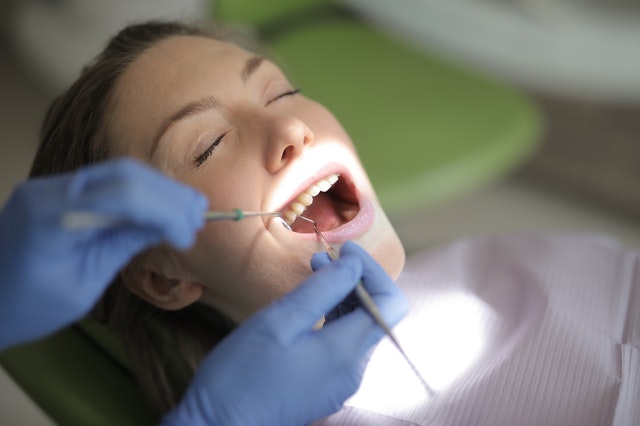
Preventive dental care plays an essential role in the health of your teeth and of your entire body. If you fail to take care of your teeth then they will eventually become susceptible to decay and disease. Preventive dentistry is all about taking care of your teeth now to avoid serious problems later.
Many mouth and other health issues can be warded off with regular brushing and flossing and by visiting your dentist throughout the year. Successful preventive dentistry entails a combination of at-home oral care by patients with in office treatments and counseling by our dental professionals. Learn more about the benefits of preventive dentistry and why it’s important to maintain proper oral health.
Avoid Cavities
Cavities cause discomfort and take a toll on your teeth and overall health as time passes. The good news is that regular visits to your dentist and brushing at home can help prevent the formation of cavities in your mouth. The reason it’s important to visit your dentist in addition to at-home preventive care is that they can get to the hard-to-reach areas to remove buildup and plaque efficiently. A dentist can also apply dental sealants and fluoride treatments to your teeth to further protect them.
Prevent Gum Disease
You risk developing gum diseases like gingivitis (inflammation of the gums) and periodontitis (more severe inflammation that can destroy gum and bone tissue) when you allow plaque and tartar to build up on your teeth and gum line. Your goal is to catch gum disease as soon as possible so your dentist can take action and keep them healthy and well. Fluoride treatments can also help you avoid gum disease by combating erosion and making it easier to fight off bacteria in your mouth that causes disease.
Avoid Serious Health Problems
You may or may not know and be aware of the fact that many serious health conditions start in your mouth. Poor dental health practices make it easier for bacteria to get into your bloodstream and can cause inflammation in your body.
Some diseases that have been linked to poor oral health include:
- Diabetes
- Osteoporosis
- Heart disease
- Cancer
- Respiratory disease
Not only that but when you’re pregnant you also need to take good care of your teeth. Poor oral hygiene can cause premature birth and low birth weight.
Catch Jaw Problems
Another benefit of preventive dentistry is that you can catch jaw problems early on. You may not even notice when you have bruxism (teeth grinding) or temporomandibular joint (TMJ) disorders. However, left unchecked and untreated they can cause you to have a misaligned jaw or headaches over time. A dentist can identify these signs in the early stages and recommend appliances that will prevent them from getting worse.
Save Time
You may not enjoy going to the dentist but it’s for your own good. Think of it this way, the better you are at preventive care and going to the dentist the less time you’ll spend in the chair overall. You can go in for a few minutes to have your teeth cleaned and checked over versus having to be there for hours to have a cavity filled or a root canal performed. You can identify issues before they worsen and monitor cavities when you go in for regular checkups.
Improve & Enhance the Appearance of Your Smile
You can also use preventive dentistry to maintain a bright and beautiful smile to show off. It’s not only beneficial to your overall health but also your appearance. You can use teeth cleanings to get rid of stains and maintain a good coloration of your teeth. Your teeth always look better after a thorough cleaning, even if you don’t perform a teeth whitening treatment on them.
Tips for Preventive Dentistry at Home
In addition to visiting the dentist at least twice per year, there are also steps and actions you should be taking at home to keep your teeth and mouth healthy. Your visits to the dentist will be more efficient and you’ll have cleaner and healthier teeth when you keep these tips in mind.
- Brush your teeth twice daily: This is one of the best forms of preventive dentistry you can practice at home. Make sure you’re brushing your teeth and tongue morning and night with fluoride toothpaste, and replace your toothbrush every three or four months.
- Floss every day: Get the floss in between all your teeth, including the ones in the very back, which are often the most susceptible to cavities.
- Eat a balanced diet: Your diet will also impact the health and cleanliness of your teeth. Avoid sugar, soda, juice, and simple carbohydrates, and drink plenty of water. Fruits, vegetables, and calcium will help your teeth stay well and strong.
Next Steps
Now that you know the benefits of preventive dentistry, we invite you to schedule an appointment for a cleaning and exam with our team today. Just as we can’t save your teeth without you, you also need us to keep your teeth in their best shape. Brushing and flossing are vital but are not enough on their own. No matter how well you maintain your teeth, there will always be places you can’t reach and problems you can’t see. That’s where we come in and can help. At Dental Excellence, we offer professional dental exams and cleanings to keep your teeth at their best. We remove any tartar buildup, examine your gums for signs of infection, polish your teeth to keep them bright and warn you of potential issues before they develop into serious problems.
We believe in creating and maintaining an ideal state of oral health for our patients. We put providing high-quality patient service as our top priority and take measures to ensure that you feel safe and comfortable while you are in our office and care. At Dental Excellence, we want you to be satisfied with the solutions we offer. With advanced technology and years of experience, we are confident that you will be delighted with your time spent here. Contact us today!
by Lagoon_Admin | Dec 30, 2020 | Restorative Dentistry
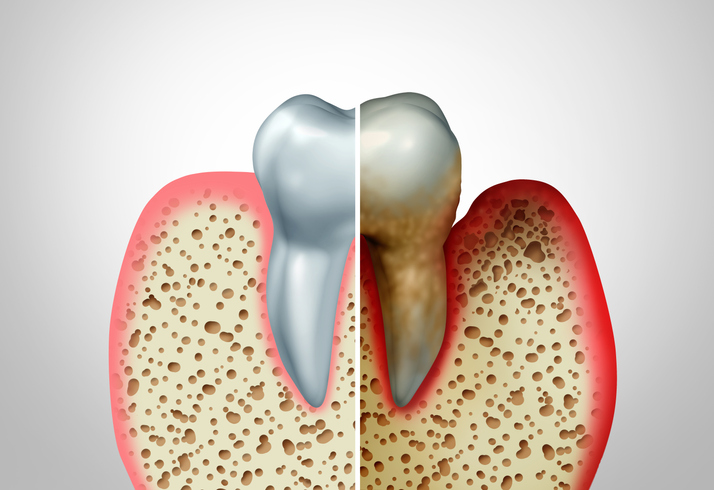
Gum disease, also known as periodontal disease or periodontitis, is a disease that has more than 64 million people in the US living with the condition. Research has shown that more than 50% of adults over the age of 30 have some type of periodontal disease. But as so many people don’t know what to look for, these will go unnoticed until the condition worsens. If left, it may cause infections, inflammation, or can result in a loss of teeth.
What Are the Stages of Gum Disease?
Gum disease is caused by plaque building up and it can be classified into various stages. The common symptoms associated with gum disease include:
- Tender gums that are either swollen or red.
- Bleeding gums when brushing your teeth.
- Teeth feel like they are loose or shifting.
- Deep “pockets” between your teeth and in the gums.
- Bad breath on a regular basis or a bad taste in the mouth.
These symptoms can occur during the early stages, but they can be more prominent later on. This is why you need to know what stage of the condition you are in. The two key stages are grouped as the following:
Gingivitis
This is the most common stage of periodontal gum disease. Some of the above symptoms may be present, but certain symptoms like swollen gums may come and go at different stages. Gingivitis is such a common symptom that it can arise from various causes, and not just poor oral hygiene. It can arise from health conditions like diabetes, side effects of certain medications, and many more. But this stage is easier to treat rather than when it is in the more severe stages. Generally, gingivitis can clear up between 10 and 14 days if treated early on.
Periodontal Disease
If gingivitis is left untreated, it can turn into gum disease or periodontal disease. This will be noticeable because the above symptoms will be more frequent and more prominent. In addition, you may notice your teeth starting to wobble. This is because the supporting gums and jawbone cannot support the teeth properly. But this can take some time to develop.
What Are the Procedures for Gum Disease?
Luckily, gum disease treatment comprises a wide variety of procedures. There are non-anesthetic and anesthetic procedures available and the type of treatment needed will depend on the severity of the gum disease. If gum disease is in the gingivitis stage, a simple dental cleaning may be enough to treat the underlying condition. However, if gingivitis has turned into gum disease, there may be more surgical procedures such as bone grafts and soft tissue grafting deemed necessary to help. They can be broken down into the the the following types of treatment:
Non-Surgical Treatment Options
For individuals that have the early stages of periodontitis or gingivitis, deep cleanings, dental scaling, and antibiotic rinses may be enough to clean out any threatening bacteria to help your gums and teeth return to their normal health, and can consist of some of the following options:
Professional dental cleaning such as plaque removal can help. This is normally done as part of a typical check-up.
Scaling and root planing. This is where the plaque is removed from deep within the gums and is made smooth to stop bacteria from re-entering those pockets.
Medications including prescription antiseptics and antibiotics can also be prescribed to reduce the build-up of bacteria.
Surgical Treatment Options
When non-surgical treatment is not deemed sufficient, some options can include the following:
Bone and soft tissue grafts may be necessary if the damage is too severe. This is where a graft replaces the bone or soft tissue to improve the function of your teeth.
Guided tissue regeneration may be done in place of a graft. This serves the purpose of regrowing the gum and the bone, if possible.
Flap surgery and pocket reduction. This is where the gums are lifted back to remove the tartar, which is a more detailed approach than root planning. The gums are then put back into the original place and closer to the tooth to prevent any pockets from reappearing.
LANAP is also another treatment option that is becoming more popular. Standing for Laser-Assisted New Attachment Procedure, this is where a small periodontal laser probe is put into the gingival pockets. The light removes any affected tissue while also disinfecting the area. Laser treatments are becoming more popular due to their precision, and LANAP can remove up to 99.9% of bacteria from within the gingival pocket. In addition to this, LANAP is beneficial from the patient’s perspective, as it is a quicker procedure than traditional oral surgery and does not require the use of stitches resulting in faster recovery, making it a far more convenient option for individuals with busy lives.
Schedule an Appointment
Gum disease is a common complaint, but it is not something that you need to worry about, just as long as you exercise care when it comes to your oral health. We will do our best to treat any signs of gum disease, but this is where our team will work with you to assess your personal needs. Getting gum disease treatment depends on the severity of your individual case, as well as the risk factors affecting your overall dental health.
If you are experiencing mild symptoms of gum disease, we may recommend basic treatments to address certain risk factors such as looking at your daily tooth care regime. However, if your gum disease has advanced to periodontitis, we will work to provide the most suitable treatment for your situation. Our team of doctors guarantees we have a wide range of experience. If you have any questions or want to address existing concerns, schedule an appointment with us to discuss your options. Gum disease may be present in more than 64 million Americans, but you don’t have to be one of them. Schedule an appointment with us today and we can get you started on the road to optimum oral health.
by Lagoon_Admin | Dec 15, 2020 | Dental Implants
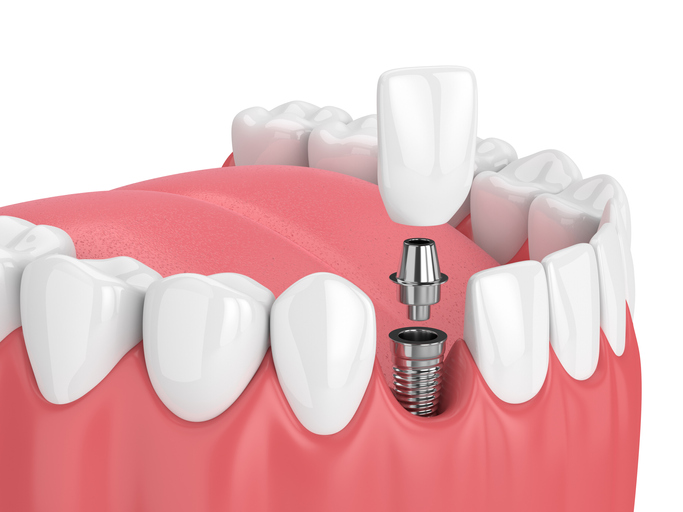
Dental implants are one of the best solutions if you want to restore your smile. Implants can be used to replace your teeth that may not have come through properly or that are now missing as the result of trauma. There are many reasons why people choose to have implants over dentures, and the main one is because implants look much more natural. You also don’t need to take them out to clean them, and they completely restore your bite and chew capabilities. With dentures, you are not able to chew hard candy or even toffee like you normally would because the bonding agent that holds the dentures in place is not usually strong enough to facilitate this. With implants, you don’t need to worry about that at all. Implants are a permanent solution that really does give you the best chance of being able to live a normal life without limitation once more.
Looking after your Teeth
Before you analyze whether or not the cost of your treatment is worth it, you need to understand the various benefits that are available. Dental implants are designed for those who have lost a tooth, or those who have suffered damage that is not able to be reversed. It doesn’t matter whether the damage occurred as the result of poor hygiene or whether you have experienced physical trauma because there are many routes that you can take. You can leave the issue untreated, which will lead to bone loss along your jaw. You can also get dentures, which will help you to some extent, but it will not give you the same level of protection as implants will.
How Successful Are Implants?
Dental implants tend to have a general success rate of 95%. They give you a very permanent solution and they also protect your jawbone and your tissue too. Even though the specialized prosthetics are expensive, they are a very cost-effective solution when you look at the overall durability. What’s even more, is that they are designed to the specifications of your mouth and they are able to give you the best level of restoration. The cosmetic benefits are truly incredible. Only a dentist who has trained and specialized in the field can fit them and guarantee you a positive result, and when you break everything down, you will soon see that you cannot put a price on your smile or your confidence.
How much do Implants Cost?
There are plenty of factors that you need to think about when you get implants placed. When you compare them to other forms of treatment, you will soon see that the investment will pay for itself time and time again. When you visit a dentist, they will price their implants differently. The cost is based on your needs. If you have a lot of missing teeth, then this may make the implants more problematic overall, mainly because the bone in the jaw may have deteriorated and thus can make it harder for the implants to take to the jawbone. The best thing that you can do is discuss your options with your dentist. They may not be able to give you the exact cost right away, but they can tell you why it is worth the investment.
Things you Need to Consider before Getting Implants
There are various elements that you need to think about before you go ahead and get dental implants. Your procedure may cost more if you have a lot of missing teeth, or if any of your teeth require a complicated extraction. The teeth that need to be replaced with implants will also determine whether or not you end up paying more for your implants. Sometimes the dentist will use different materials when fitting your implants which determines the cost as well.
The Benefits of Implants
Dental implants offer you the most natural level of restoration. This is especially the case when the work is completed by an experienced professional like the ones that work with us at Dental Excellence. So what are some of the other benefits of implants? The use of advanced technology and materials brings a huge range of benefits. Some of them include the fact that you can easily have teeth fitted that match your mouth and your jawline. You also have teeth that are made to last and that do not require any kind of additional care or maintenance.
The Modern Solution
Technology has changed so much since the very first implants were fitted. Now you can easily get the assurance you need to know that everything is going to go to plan and that you don’t have to worry about a thing. Your dentist will talk to you every step of the way about your implants and how they are going to fit in your mouth. They will also address any concerns that you might have as well, so it is very important that you keep this in mind when choosing the provider to go with. If you have any questions about your implants the dentists at Dental Excellence will be able to help you find out everything you need to know. Contact us today to schedule an appointment.