by Lagoon_Admin | Sep 25, 2022 | Technology
Recent surveys show that about 36% of Americans suffer from dental fear or anxiety, while around 12% of the population battles severe or debilitating dental anxiety. Unfortunately, this fear often leads to avoidance of the dentist, which then results in poor dental hygiene. Poor dental hygiene can cause overall poor physical health, embarrassment or shame, and even directly affect your mental well-being. But it doesn’t have to be that way.
Sedation dentistry is a safe option to help you relax when undergoing dental procedures. Once relaxed, dental fears shouldn’t impact your ability to receive quality dental care from our team of caring dental professionals so you can avoid the complications of poor dental hygiene.
What Is Sedation Dentistry?
Sedation dentistry is a process that allows patients to feel calm and relaxed while getting dental work done. Moderate sedation methods are most commonly used, so patients are still technically awake. However, the sedation helps to calm nerves, block pain receptors, and overall make the process a more pleasant experience.
Although patients with dental fears are those who can benefit most from sedation dentistry, they aren’t the only ones. Patients who have an intense gag reflux, feel embarrassed about their oral hygiene condition, or have difficulty controlling their movements can also benefit. Other examples of patients who might choose sedation dentistry include those with special needs, extreme teeth sensitivity, or a fear of needles.
What Types of Sedation Dentistry Are Available?
There are several sedation dentistry options available. Your dentist will discuss your options with you ahead of time to find the best solution for your unique situation. The most common examples of sedation dentistry types you may be able to choose from include:
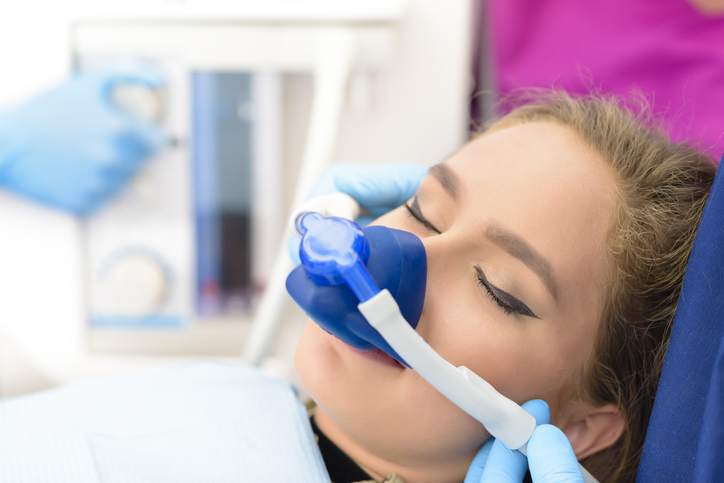
- Nitrous oxide (laughing gas): This sedation option is inhaled through a mask and provides mild analgesic properties. Nitrous oxide helps patients feel calmer and reduces any potential pain during dental procedures. The best part of laughing gas is that the effects dissipate rapidly so that most patients can drive themselves home after only a short recovery in the dental office.
- Oral sedation: With oral sedation, patients take a prescribed medication shortly before their appointments to help calm their nerves. The type of medication varies based on a person’s medical history, the dental team’s recommendations and the level of anxiety felt. If a patient is using oral sedation, they should have a support person to drive them to and from their appointment as they won’t be able to drive a car after taking the medication.
- IV sedation: Patients will have an IV placed with this option, allowing a qualified team member to deliver the medicine during the appointment. IV sedation is a little heavier than oral sedation, and the patient will be monitored throughout the procedure. Patients will need to arrange for a support person to drive them home after the procedure, as IV sedation can take a few hours to leave the system entirely.
- General anesthesia: General anesthesia isn’t often used in dentistry, but it can be an option for those who need complete sedation. With general anesthesia, patients are given medications orally or through an IV that puts them entirely to sleep. This option is usually done in a hospital and does require a longer recovery time, usually of a few hours, before patients can leave the hospital or operate vehicles.
The Benefits of Sedation Dentistry
There are several benefits to choosing sedation dentistry, including reducing anxiety and decreasing discomfort. In some situations, sedation dentistry can also improve dental work results.
Reduces Anxiety
Patients who are sedated will feel calmer and happier while having their dental work done. This can be especially important for people who suffer from dental anxiety since they’re most likely to experience severe anxiety levels before, during, and after their appointments. By creating a calmer mood and blocking many (or all) anxiety symptoms, sedation dentistry allows for a more pleasant appointment, regardless of preexisting fears, anxieties, or conditions.
Decrease Discomfort
Dental procedures aren’t always short or comfortable. Dental procedures can be lengthy in many cases because several steps must be completed to ensure you have the best oral hygiene possible. These procedures can also be painful because, in many instances, dental work is done to relieve pain from chipped or broken teeth, sensitive teeth, abscesses, or gum disease.
The anticipation of pain can cause patients to tense up their muscles, which, in turn, can make things more painful. Sedation dentistry allows your body and mind to relax, subsequently decreasing discomfort for the duration of the procedure.
Improve the Results of Dental Work
Discomfort, anxiety, and certain preexisting conditions can cause the patient to squirm or even attempt to resist the dentist when they begin to work. Reducing anxiety and discomfort allows patients to be still and calm, which can improve the results of dental work. It also allows the dentist to take the time they need instead of feeling rushed, enhancing the quality of dental work.
Potential Risks and Complications of Sedation Dentistry
Sedation dentistry is generally safe when administered by a qualified professional. However, all medical procedures carry a small risk of complications. A few possible risks and complications of sedation dentistry include:
- Lingering drowsiness
- Allergic reactions to the medication administered
- Bruising at the IV injection site
- Digestive issues (including vomiting)
- Headaches (that should go away within a few hours)
- Dry mouth
- Irritability or an otherwise altered mood
- Low-grade fever (which should be short-lived and is most common in children)
Contact Us Today for More Information
If you need dental work done around Independence, MO but suffer from mild to severe dental fears and anxieties, you can call someone of our team today about your sedation dentistry options. Already ready to make an appointment? You can submit a request for an appointment using our online form if you prefer.

by Lagoon_Admin | Jul 30, 2022 | Family Dentistry
If there’s one thing all parents can agree on, it’s that children grow up quickly. Before you know it, it’s time for their first dental visit. This appointment can come with mixed emotions, from both parents and children alike. To ensure your child is as comfortable as possible, it’s important to prepare beforehand. Here’s everything you need to know about taking your child to the dentist for the first time.
When to Schedule a Child’s First Dental Visit
Young children often have sensitive teeth and gums, which makes them susceptible to tooth decay. Aim to schedule that first appointment either before their first birthday or as soon as you notice signs of their first tooth erupting. Most children will start to grow teeth at around six months of age. Although it may seem early, this preliminary visit is essential to ensuring your child’s mouth is in top-notch shape.
How to Prepare for the First Appointment
Taking your child to the dentist for the first time can be nerve-wracking. Fortunately, there are a few steps you can take to prepare.
Choose an Optimal Time
It’s no secret that kids get grumpy. If your child is moody before their appointment, it may be difficult to calm them down. For the best results, try to schedule the dental visit at a time when your child is happy and full of energy, such as early on in the day. Avoid times when they may be cranky or tired (such as the end of the day or during nap times).
Bring Your Child’s Favorite Toy
You can prepare older children for a trip to the dentist by reading books, watching videos and even role playing the visit. Unfortunately, for the first appointment, most children are too young to mentally prepare this way. While you may not be able to explain the dentist to your child, you can make them more comfortable by packing an item they love. If your child has a favorite object, such as a stuffed animal or doll, bring it along.
Pack Snacks
Since your child is going to be undergoing an oral health check-up, you should avoid scheduling any appointments directly after meals. Otherwise, there may be food stuck in their mouth. Of course, you don’t want to wait too long after a meal either — if your child is hungry, they may act out. Ensure your child has eaten before going to the dentist, and keep snacks ready for after the appointment. In general, you should wait until about 30 minutes after the visit before letting them eat.
Write Down Questions
It’s normal to have questions about your child’s oral health. For example, you might be concerned about their teething habits, or you may be trying to decide which brand of toothpaste to use. Chances are, your dentist will end up answering many of your questions during the appointment. However, it’s helpful to have a list ready just in case. This way, you can guarantee all your concerns are addressed.
What to Expect During the Visit
It’s normal for children to be anxious at their first appointment. At Dental Excellence, we do everything possible to make our young patients feel at ease. Here’s what you can expect.
1) Introductions
Becoming familiar with a new setting can go a long way in making children feel comfortable. Before the appointment, the Dental Excellence team will greet you and your child, answer questions and show you around the office. Then, we’ll quickly go through what you can expect for the remainder of the visit.
2) Oral Health Check-Up
Once the preliminary introductions are complete, we’ll move forward with the dental appointment. If your child is able to, they may sit on the patient’s chair. On the other hand, if your child is too young or too uncomfortable to sit on their own, we can do a knee-to-knee appointment. In this set-up, the parent sits on the chair and holds their child in their lap. The dentist will then sit across from the parent and check the child’s mouth. More specifically, they’ll examine the following:
By conducting a thorough oral health check-up, the Dental Excellence team can ensure your child’s gums are developing properly and detect problems like tooth decay.
3) Informational Session
Once the check-up is done, the Dental Excellence team will wrap up the appointment by sharing advice on maintaining your child’s oral health. We’ll review the following topics:
- How to clean your child’s gums/teeth
- How to ensure your child gets enough fluoride
- Which oral health products to use
- Dietary and nutrition tips
- Bad habits to look out for (such as thumb sucking or excessive pacifier use)
To help you fulfill your child’s oral health needs, we can connect you with an appropriately sized toothbrush, as well as toothpaste and floss. Our team will also answer any questions you may have. Overall, you can expect the entire visit to take anywhere from 30 to 45 minutes.
Schedule Your Child’s First Dentist Appointment Today!
Your child’s first dentist appointment is a big step. It goes without saying that you want it to fly by as smoothly as possible. At Dental Excellence, we have over 40 years of experience in providing high-quality family dentistry services to residents across Independence, Blue Springs and Lee’s Summit, MO. Our compassionate staff, coupled with our commitment to quality, makes us stand out from the crowd.
When you bring your child in for their first dental visit, you can expect to receive highly personalized service. Not only will we answer all your questions, but we’ll also go out of our way to make your child comfortable throughout the visit. Our ultimate goal is to ensure every child leaves with a happy, healthy smile. Request an appointment today to learn more!

by Lagoon_Admin | Jun 30, 2022 | Restorative Dentistry
If you’re missing teeth, you’re not alone. Anything from a sports injury to tooth decay can cause teeth to fall out, leaving noticeable gaps behind. Of course, this negatively affects appearance, which can lower self-confidence. Missing teeth may also cause oral health problems, such as the following:
- Difficulty chewing or speaking
- Headaches and facial pain
- Tooth decay and gum disease
- Misaligned teeth
- Jawbone deterioration
Your teeth facilitate chewing and help maintain the overall shape of your face. Even just one missing tooth can cause your jawbone to weaken over time, leading to pain, sagging skin and facial changes. Fortunately, there are tooth replacements available. In this article, we’ll go over the top solutions and how the Dental Excellence team can help restore your smile.
Treatments for Missing Teeth
When it comes to replacing missing teeth, there’s no universal answer. Rather, the Dental Excellence team will evaluate each individual patient, then devise a treatment plan tailored to their needs. Below is a list of popular tooth replacement options and their respective pros and cons.
1) Dental Implants
A dental implant is an artificial tooth root that’s implanted directly into the jawbone. The result is a false tooth that looks, feels and functions just like a real one. To install the implant, the Dental Excellence team will begin by making a small cut in the gum (which exposes the underlying bone tissue). If the bone is strong enough to support an implant, the team will drill holes to install the roots. Patients with weak jawbones will need a bone grafting procedure before they can receive implants.
Pros
Benefits of dental implants include:
- Natural appearance
- Easy maintenance
- Stable
- Permanent
Not only do dental implants look completely natural, but they’re also extremely secure. They’re anchored into the jawbone, which means you don’t have to worry about the implant suddenly falling out while eating or conversing. As an added perk, they’re designed to last your whole life.
Cons
Downsides to dental implants include:
- Require surgery
- Not for everyone
Dental implants require incisions, which some patients may consider invasive. Moreover, they’re not suitable for everyone. For example, if you have a weak jawbone, you’ll have to undergo other procedures before you can even become a candidate for implants.
Who Are Dental Implants Best For?
Due to their natural appearance, durability and long-lasting nature, dental implants tend to be the top option for most patients looking for tooth replacements. They’re the best choice if you have a strong jawbone and don’t mind undergoing a surgical procedure.
2) Dentures
Dentures are an artificial set of teeth designed to replicate the real thing. They come in two main varieties: fixed and removable. Fixed dentures remain in your mouth with the help of adhesives, while removable dentures can be put in and taken out at will. Patients can also choose between full dentures (which replace all teeth) and partial dentures (which fill in smaller gaps). The procedure for getting dentures is simple — after obtaining a mold of your teeth and jaw, the Dental Excellence team will craft a custom set for you.
Pros
Here are a few pros of dentures:
- Simple procedure
- Suitable for everyone
- Easy maintenance
Along with offering a fairly simple installation process, dentures are available to most patients (including those with weak jawbones). They’re also easy to take care of — fixed dentures can be maintained with regular brushing and flossing, while removable dentures can be cleaned with water.
Cons
Here are a few cons of dentures:
- Require replacements
- Lack of stability
- Prone to slippage
Unlike permanent fixtures such as dental implants, dentures need to be replaced. On average, they can last around seven to ten years. Moreover, dentures aren’t always stable — hard or sticky foods can inflict damage on them or even cause them to fall out.
Who Are Dentures Best For?
For patients who are missing most or all of their teeth, dentures are the most convenient option. For patients who are missing just a few teeth, dental implants are better, as they’re more stable and permanent. However, if you don’t want to experience surgery, partial dentures might be preferable.
3) Dental Bridges
Dental bridges are simple yet effective solutions that fill gaps using the adjacent teeth. To install bridges, the Dental Excellence team will shave down the two teeth next to the gap, then fit crowns over them. An artificial tooth is secured between the crowns, consequently concealing the gap. The result is a secure, false tooth that emulates the appearance and bite force of a real tooth.
Pros
Advantages of dental bridges include:
- Simple procedure
- Long-lasting
- Stable
Similar to dentures, the procedure for getting dental bridges is fairly non-invasive. Once the bridge is in place, it can last for over 15 years (provided you follow proper brushing and flossing techniques). Dental bridges are also stable, so you don’t have to worry about them suddenly falling out.
Cons
Disadvantages of dental bridges include:
- Impact on healthy teeth
- Risk of jawbone deterioration
What sets dental bridges apart from other tooth replacements is the fact that they affect normal, healthy teeth. Not only are regular teeth shaved down, but they’re also covered by crowns, which can increase the risk of tooth decay (especially if the crowns aren’t fitted properly). Furthermore, dental bridges aren’t always effective in deterring jawbone deterioration.
Who Are Dental Bridges Best For?
Dental bridges are a popular option among patients who want something more secure than dentures, but less invasive than dental implants. Since they also impact your regular teeth, they’re best if you have only one missing tooth.
Contact the Dental Excellence Team Today
Tooth gaps are no laughing matter. Even just one missing tooth can have long-term consequences for your oral health. At our dental practice, we offer high-quality tooth replacements that effectively replicate real teeth. Whether you’re looking for dental implants, dentures or just a consultation, our team can help. Schedule an appointment today to learn more!

by Lagoon_Admin | May 30, 2022 | Cosmetic Dentistry
A healthy and confident smile can make a positive first impression. Everyone deserves to have a beautiful smile they are proud of. If you are reluctant to show off a less than perfect smile there are several restoratives and cosmetic dental solutions that can help you get the look you’ve always dreamed about. This is referred to as a smile makeover.
Am I a Candidate for a Smile Makeover?
You may be a good candidate for a smile makeover if you have good overall oral health and one or more of the following issues:
- Missing teeth
- Chipped or cracked teeth
- Crooked, misaligned, worn, or unevenly spaced teeth
- Gaps between teeth
- Unbalanced tooth length and proportion
- Stains or discoloration
- Receding gums or excessive gum tissue
- You are unhappy with your current smile and want a positive change
Talk to your dentist about your wishes. Discuss everything from tooth shape, color, texture, smile line, and all aesthetic concerns and requirements that you have. Together, you can select the appropriate treatments to achieve your desires.
Restorative Treatments
Restorative dentistry is used to repair or replace damaged or broken teeth. There is a range of treatments that fall under this category and can improve both the appearance of your smile and your oral health.
Tooth-Colored Fillings
Tooth-colored fillings that are made of resin are strong and do not crack or darken with time as metal fillings tend to do. Fillings are necessary to fill in the hole left behind by a cavity.
Inlays and Onlays
Inlays and onlays are used to repair damaged or cracked teeth. Inlays are placed on the inside of a tooth like a filling. Onlays can be used when the damage is more extensive. They restore the structure and appearance of the tooth after the damage and decay has been removed.
Porcelain Crowns
Dental crowns are placed over your natural tooth to improve the appearance, repair damage from decay or fillings, and prevent further issues.
Fixed Bridges
Bridges are rows of false teeth. They can be bonded to adjacent teeth or between two crowns.
Dentures and Partials
When most or all of your teeth are missing, dentures or partials are some of the best solutions. Full dentures are secured over your gums using an acrylic base. Partial dentures are used when you have some teeth remaining and need to fill in the gap left behind.
Gum Disease
Gum disease is caused by bacteria and can lead to inflammation, redness, and even periodontal disease and tooth loss. Your dentist can perform either a surgical or non-surgical treatment such as planing and scaling to clean out the bacteria and infection. Learn more about gum disease treatment.
Implants
Dental implants are titanium posts placed into the jaw bone to mimic the root of your missing tooth. A custom-made crown is then placed on top of the post. Implants can replace one or all of your teeth.
Bone Grafting
Bone grafting is done to restore lost bone tissue. This is a necessary treatment to provide adequate support for your natural teeth and any implants or dentures you plan to get later on.
Cosmetic Treatments
Cosmetic dentistry procedures are optional treatments that improve the look of your smile. You can select a combination of treatments to turn your smile from ordinary to truly dazzling. You must have a clear idea of what you want to achieve before you get started.
Teeth Whitening
This is a simple and popular procedure. A professional teeth whitening treatment is an easy and non-invasive way to brighten your smile. You will discuss your desired tooth shade and color to ensure you get natural-looking results.
Balance and Spacing
Your teeth should fit your face and be in balance with one another. Procedures are available to correct gaps, misaligned and crooked teeth, and correct the overall size and shape.
Porcelain Veneers
Veneers are a custom-made shell that fits over your existing teeth. They are used to cover almost any type of flaws such as stains, cracks, chips, and gaps. Veneers can even reshape teeth that are too large or too small, giving you an even set of teeth.
Invisalign
Issues with your tooth alignment don’t mean you need to resign yourself to years of wearing braces. Invisalign trays are a convenient alternative. A set of trays is custom-made to fit your teeth and correct the alignment of your teeth. They typically achieve the desired results in about 12 months. Invisalign trays are almost invisible, making them a highly discreet option.
Cosmetic Bonding
If you have a chipped or broken tooth, cosmetic bonding is a fast fix that gives you back a brilliant smile. A strong resin is color-matched and bonded to the affected tooth to reconstruct the area.
Crown Lengthening
Crown lengthening procedure removes excess gum tissue to reduce the “gummy” appearance of your smile. You can also get gum contouring to reshape your gums into a more pleasing appearance.
Gum Recession
This is another common concern. The pinhole surgical technique is used to correct this issue and give you back a balanced and gorgeous smile.
Functional and Aesthetic Benefits
A smile makeover can do wonders for your confidence and self-esteem. You will feel more empowered and eager to interact with people. The benefits aren’t all aesthetics, either. Restoring your teeth allows them to function as they were meant to. Missing or damaged teeth can affect your ability to chew and speak properly. Once you fix these problems, you may notice that eating your favorite foods is easier and your speech is smoother.
How to Get a Stunning Smile
Your smile makeover is a completely customized solution that addresses your specific needs and desired results. Our knowledgeable team at Dental Excellence will give you a thorough examination to determine your overall oral health. This is necessary to discover if there are any underlying issues or conditions to address before your smile makeover begins. We evaluate your bite and check the supportive bone structure along with the current condition of your teeth and gums.
Together, we will discuss the best approach for your unique situation. Your overall facial shape, hair, and skin color are taken into consideration to ensure a beautiful and balanced result. If you are ready to improve your oral health and the appearance of your smile, schedule an appointment with the Dental Excellence team today. We look forward to providing you exceptional care while we assist you with getting the smile of your dreams.
by Lagoon_Admin | Apr 30, 2022 | General Dentistry
It is a well-known fact that many people require their wisdom teeth to be taken out. But do you know what they are and why they could require removal, even if they aren’t currently causing problems? Learn more about wisdom teeth and the reasons why your dentist may recommend that you have them removed. Once you become familiar with the reasons behind the procedure, and the process itself, the thought of having your wisdom teeth removed shouldn’t make you anxious.
What Are Wisdom Teeth?
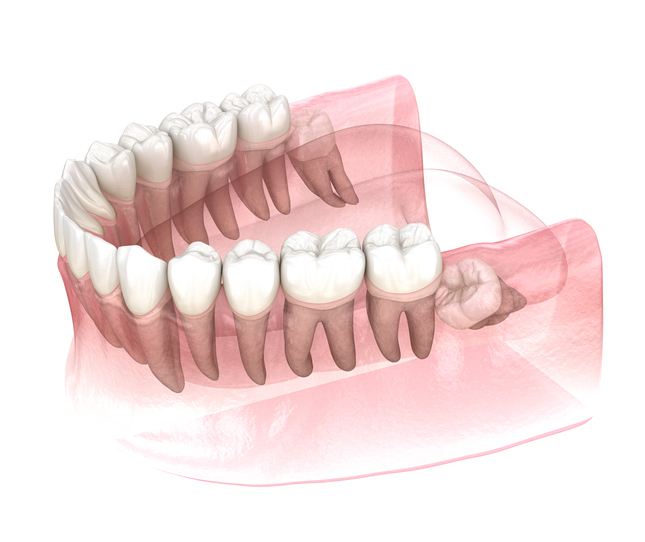
Wisdom teeth typically appear during the late teens and early twenties. Between the ages of 18 and 21 is the most common. They are the third set of molars and often cause more problems than usefulness. It is commonplace for wisdom teeth to grow in poor positions and locations. This may cause overcrowding, misalignment with your other teeth, and even pain and infection.
You may have all four wisdom teeth or only one or two. Wisdom teeth are thought to originally have been used by our ancestors to help chew uncooked and tough foods. People became less dependent on wisdom teeth to grind and break down foods once fire was regularly used to cook on. Although wisdom teeth are no longer needed, the genes continue to be passed down and result in the majority of the population having at least one.
Does Everyone Have Wisdom Teeth?
Not everyone has wisdom teeth. If you or your dentist notices signs that your wisdom teeth are growing in, you can discuss options for extracting them to prevent problems. Digital x-rays can also be used to determine whether or not you have wisdom teeth. You can talk to your dentist and request a digital x-ray if you prefer to know if you have wisdom teeth and should plan an extraction in the future.
Why Do Wisdom Teeth Need to Be Removed?
Wisdom teeth are known to cause issues with your oral health. It is impossible to predict exactly how they will grow and if they pose a risk. Your dentist may recommend that you have them removed before they grow in, or at the first signs that they are coming in, to avoid future issues.
Sometimes, wisdom teeth grow horizontally or have limited space, causing them to grow into the jawbone and surrounding soft tissues. Horizontal and other abnormal placements are referred to as impacted, and are the primary reason that wisdom teeth need to be removed. When this happens, the impacted tooth may not have room to emerge, or erupt, at all.
If your wisdom teeth push on the surrounding teeth, they can move them out of place or cause damage. This type of growth pattern makes it harder to clean your teeth properly, and easier for bacteria to flourish and cause swelling or pain. If these symptoms are left unaddressed, a serious infection may potentially develop. You could also experience gum disease or tooth decay.
In some cases, an individual does not require the removal of his or her wisdom teeth. If the teeth have already fully grown, and are healthy and properly aligned, there is likely no need to extract them. Your dentist can conduct an examination and give you personalized recommendations for the best options for your oral care.
When Should I Have My Wisdom Teeth Removed?
Attending your routine dental appointments at Dental Excellence helps your dentist monitor your oral health and catch the growth of wisdom teeth early. Together, you can decide if you should have them extracted before they cause problems.
If your wisdom teeth are already growing in, schedule a visit to your dentist immediately if you have any of the following symptoms:
- Tooth pain
- Jaw pain
- Sinus pain and problems
- Redness, swelling, or infection
- Bleeding or signs of puss
- Persistent bad breath
- Damage to adjacent teeth
- Alignment issues
- Cavities or tooth decay
- Gum disease
- Swollen lymph nodes
Your dentist can diagnose the root of the problem to determine if your wisdom teeth are the culprit. Once you rule out other potential causes, you can discuss a plan and schedule your wisdom tooth removal.
Early Removal
It’s not necessary to wait until your wisdom teeth create problems to have them taken out. Getting them extracted early on and at a younger age can actually be beneficial. Your bone tissue hardens as you age, so early extraction is easier. It lets you avoid sustaining any damage to your teeth and oral tissues. Healing and overall recovery time are also faster for younger individuals who don’t have fully-formed wisdom teeth.
Your dentist may take an x-ray to see where your wisdom teeth may come in. This, combined with an examination of your mouth shape and tooth position, gives them a good indication of whether you should have your wisdom teeth out.
How Is Extraction Performed?
The entire process usually takes less than an hour. It’s a simple procedure that is very common. The actual removal process is as follows:
- Your dentist numbs the area. Sedation dentistry is an option if you are feeling anxious.
- Incisions are made around the gums surrounding the wisdom tooth.
- Bone tissue may need to be removed if it’s covered the tooth root.
- The tooth is removed in sections.
- The area gets cleaned and stitched to close the incision.
Your dentist may prescribe an antibiotic before your tooth extraction to lower the risk of developing an infection. Take any medications as directed and follow your dentist’s aftercare instructions to make sure you heal quickly. It is normal to experience some lingering numbness, minor bleeding, and discomfort after your procedure. If you notice any unusual or worsening symptoms, contact us for advice.
Contact Dental Excellence Today
The professional team at Dental Excellent is available to provide a full range of dental care, from routine appointments to oral surgery. Contact us today to schedule an appointment for your wisdom teeth extraction. We have more than 40 years of experience and a team of compassionate dentists committed to giving every patient the best care there is.