
by Lagoon_Admin | Mar 30, 2022 | General Dentistry
A great smile starts with good oral hygiene. This involves daily care of your teeth and gums along with regular visits to your dentist. The right brushing and flossing techniques help to prevent cavities and gum disease, while routine checkups are essential to catch the signs of any problems early on.
Reasons Why Oral Health Is Important
Your oral health affects more than just your gorgeous smile. Issues with your teeth and gums can lead to concerns elsewhere in the body. This is one reason why preventive measures are so important.
Severe cases of gum disease cause inflammation levels to increase throughout your body. This elevation raises your risk of developing heart disease or suffering a stroke. There is also evidence that poor oral health may cause an infection of the respiratory tract, such as pneumonia. It’s thought that these infections develop from inhaling the bacteria that has built up in your mouth.
Another critical reason to take care of your teeth and gums now is to avoid tooth loss that may result from advanced gum disease. Losing your teeth makes it difficult to eat healthily since the high-fiber foods that are good for you, like fruits and vegetables, can be impossible to chew properly with missing teeth. Gum disease and tooth loss can also take a toll on your emotional health by lowering your confidence and causing embarrassment.
Signs of Gum Disease
The early stage of gum disease is gingivitis. This is typically a mild problem that is reversible with care from your dentist along with good oral hygiene. Signs of gingivitis include red, swollen, or bleeding gums and bad breath.
If gingivitis goes unaddressed for a long period, it can worsen and develop into periodontal disease, which is a build-up of plaque and tartar below the gum line. The presence of bacteria causes inflammation and even starts to destroy the tissue and jawbone while creating deep pockets around your teeth.
Signs of periodontitis are receding gums, loose teeth, and chronic bad breath. Other common symptoms include bleeding gums, pus between your teeth around the gum line, or puffy and red gums. You should call your dentist immediately if you experience oral pain, bleeding, or any unusual sign.
Risk Factors
Several risk factors increase your chances of developing gum disease:
- Poor nutrition
- Grinding or clenching your teeth
- High levels of stress
- Obesity
- Tobacco use
- Age
- Genetics
- Certain medications
While you cannot eliminate the risk, you can make healthier habits to lower the chances of developing gum disease.
How to Maintain Proper Oral Health
Fortunately, there is a simple way that you can take care of your teeth and gums and protect your health. Develop an oral care practice to include the following:
- Brush your teeth at least twice daily.
- Floss at least once every day.
- Replace your toothbrush whenever the bristles get worn, or at least every three to four months.
- Rinse your mouth with an antiseptic mouthwash.
- Visit your dentist for a cleaning and checkup twice every year.
- Make an appointment with your dentist immediately if you notice any bleeding or other unusual differences.
- Discuss any changes in your overall health with your dentist, as some conditions can make you more susceptible to developing gum disease.
- Eat a balanced diet that is high and fruits and vegetables, and limit your sugar intake.
- Quit smoking as this causes plaque and tartar buildup. Smokers are four times more likely to develop periodontitis.
- Rinse your mouth after eating to wash away food particles and bacteria.
- Choose a therapeutic mouthwash that is approved by the American Dental Association for safety. It should help to slow the build-up of tartar and plaque while helping you to prevent gum disease.
How to Brush
You should brush your teeth at least twice per day with a soft-bristled toothbrush and fluoride toothpaste. Brushing 30 minutes after every meal is ideal if you can manage it. This is an excellent way to remove plaque and bacteria caused by food particles. The presence of bacteria on your teeth reacts to food by producing acid, which leads to cavities.
- Hold your toothbrush at a 45-degree angle and use small strokes.
- Use gentle pressure to avoid causing damage.
- Make sure that you brush every surface and along the gum line.
- Angle the toothbrush vertically to reach the inside of your front teeth.
- Brush your teeth for at least two to three minutes.
- Brush your tongue to freshen your breath and remove bacteria.
How to Floss
Flossing is a good practice to do at least once per day to remove any food particles and plaque that is hiding between your teeth and gums. If you don’t include flossing in your daily routine, you are at higher risk to develop tartar, which is a hard build-up of bacteria and can only be removed by a deep cleaning at your dentist’s office.
- Start by taking about 18″ of floss and winding it around your middle fingers.
- Leave about one inch of space in between.
- Use your index fingers on each hand to maneuver a clean section of floss between each tooth.
- Move the floss in an up and down motion and wrap it around the tooth in a “C” shape to reach every surface.
- Don’t push too hard as this can cause pain or damage to your gums.
Daily brushing and flossing, followed by a good quality mouthwash, can do wonders for your oral health.
Schedule Your Appointment with Dental Excellence
If it’s been more than six months since you’ve last had an oral health exam and cleaning, or if you are experiencing any issues, then now is the time to make your next appointment with Dental Excellence.
Contact our experienced and caring team today to schedule your appointment. We are a family-oriented practice committed to providing you with the best level of care in a comfortable setting. We offer all forms of dentistry, from routine checkups to cosmetic dentistry and treatment for tooth decay and gum disease.

by Lagoon_Admin | Dec 21, 2021 | General Dentistry
If you suffer from loud snoring and wake up multiple times throughout the night, you might have sleep apnea. This condition disrupts your life and makes it difficult to get a good night’s sleep. Once your doctor gives you a diagnosis, you can visit Dental Excellence for treatment.
What is Sleep Apnea?
Sleep apnea is a sleeping disorder where you periodically stop breathing throughout the night. Since you don’t notice your own sleeping behaviors, many people don’t know that they have sleep apnea until their partner mentions loud snoring or gasping during the night. The symptoms of sleep apnea are similar to other disorders, making it harder to diagnose.
Still, sleep apnea can be dangerous, so talk to a doctor if you have suspicions. Your doctor could diagnose you with one of three types of sleep apnea:
- Obstructive sleep apnea. During the night, muscles in the back of your throat collapse. This affects tissues throughout your mouth and throat, including the tonsils, tongue, throat and uvula. As the muscles collapse, your airway narrows, making it hard for oxygen to enter your body. This lowers the oxygen levels in your bloodstream. To compensate, your body jerks you awake so you breathe normally again.
- Central sleep apnea. Instead of your muscles, central sleep apnea involves your brain. Your respiratory control center doesn’t tell your muscles to keep breathing during the night. Typically, this occurs in people with neurological issues like a recent stroke or Lou Gehrig’s disease.
- Complex sleep apnea syndrome. This diagnosis means that you suffer from both central sleep apnea and obstructive sleep apnea.
What Are the Symptoms of Sleep Apnea?
If you have sleep apnea, you might notice the following symptoms:
- Insomnia
- Sweating at night
- Fatigue during the day
- Headaches in the morning
- Frequently awakening during the night
- Dry mouth when you wake up
- Suddenly jerking awake and gasping for air
- Irritability and forgetfulness
- Trouble concentrating
- Frequent urination at night
- Sexual dysfunction
Additionally, a partner could report symptoms like these:
- Loud snoring
- Choking or gasping
- Sudden episodes where you stop breathing
Children with sleep apnea often exhibit the following behaviors:
- Bedwetting
- Mouth breathing during the day
- Loss of energy
- Trouble swallowing
- Breathing issues
- Low performance at school due to fatigue
- Strange sleeping positions
What Are the Risk Factors for Sleep Apnea?
Certain factors and lifestyles make you more likely to develop each type of sleep apnea. The risk factors for obstructive sleep apnea include:
- Genetics. Having a family history of sleep apnea or narrow throats makes you more likely to develop the condition.
- Tonsils. Enlarged tonsils can cause sleep apnea, especially for children.
- Age and gender. Males and older adults are more likely to develop sleep apnea.
- Medication. If you take sedatives, they could relax your throat muscles and restrict breathing during the night.
- Allergies and asthma. You may develop sleep apnea if you already have trouble breathing during the day.
- Obesity. Excess fat around your airway makes it harder to breathe.
- Tobacco and alcohol use. Alcohol relaxes your throat muscles, and smoking inflames your airway and restricts breathing.
- Medical conditions. A recent stroke, Parkinson’s disease, diabetes, high blood pressure and other issues make you more likely to suffer from sleep apnea.
Central sleep apnea has fewer risk factors than obstructive sleep apnea. These factors include:
- Health conditions. A recent stroke or congestive heart failure increases your risk of developing sleep apnea.
- Age and gender. Like obstructive sleep apnea, central sleep apnea is more likely to occur in men and older adults.
- Medication. If you take opioids, you’re more likely to suffer from sleep apnea.
What Makes Sleep Apnea Dangerous?
Sleep apnea won’t necessarily kill you, but it affects your health, lifespan and quality of life. When you suffer from insomnia or repeated awakenings, you feel tired during the day. You could fall asleep at work or school, accidentally injure yourself or get into a car accident because you fell asleep at the wheel. You’ll also feel irritable and have trouble concentrating.
During a sleep apnea episode, the oxygen levels in your blood suddenly drop. This puts stress on your cardiovascular system, leading to high blood pressure, heart attacks, strokes and sudden death in extreme cases. Likewise, sleep apnea makes you more likely to develop metabolic syndrome and type 2 diabetes.
If you have major surgery, sleep apnea could cause breathing problems while you’re under anesthesia. Sleep apnea also increases your risk of complications with certain medications. Tell your doctor that you have sleep apnea before you start any kind of treatment.
How Do You Diagnose Sleep Apnea?
To start, your doctor will review your medical history. They’ll discuss health conditions, medications, treatments and family histories that point toward sleep apnea. Afterward, they’ll perform a physical exam to see if you have conditions like obesity or enlarged tonsils that increase your risk of developing sleep apnea.
To get definite answers, your doctor might recommend a sleep study. You’ll sleep at home or in a sleep center, then let experts review the results. They’ll examine your brain and heart activity and blood oxygen levels and watch out for disruptions that signify that you stopped breathing while you were asleep.
How Do You Treat Sleep Apnea?
For some, making lifestyle changes is enough to combat their sleep apnea. You might simply need to lose weight, quit smoking or get treatment for a condition that causes your sleep apnea. However, if you have a severe case, your doctor may recommend oral appliance therapy that keeps your throat open while you sleep.
For severe cases, a continuous positive airway pressure (CPAP) machine attaches directly to your face with a mask. The machine sends air pressure into your airway to relieve the symptoms of sleep apnea. This eliminates loud snoring, which makes your partner more comfortable as well.
Reach Out Today
Schedule an appointment with Dental Excellence to discuss sleep apnea treatment. We can assist you with oral appliances and other treatment options. We’re currently accepting new and returning patients, so fill out the form on our website to request an appointment.
by Lagoon_Admin | Sep 30, 2021 | Cosmetic Dentistry
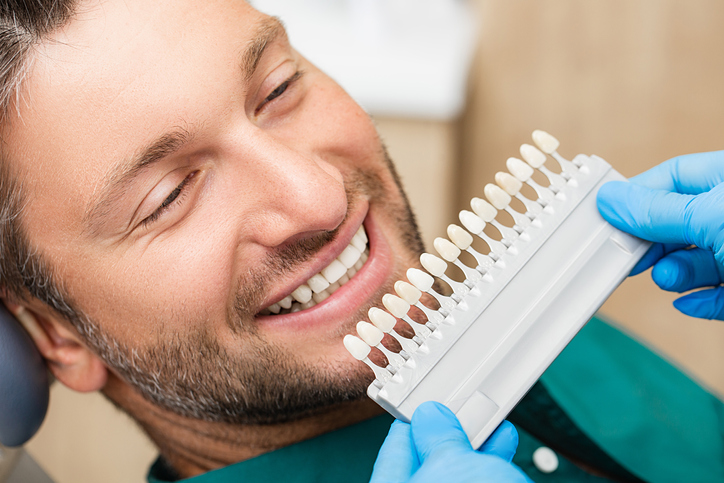
If you are looking for a solution for a dental issue but are a bit leery about fixed bridges, dental implants, or braces, dental veneers might just be the right solution for you. The process of applying dental veneers is less invasive than other procedures and can help solve many problems, both major and minor, that can give you back your smile and your confidence.
What Are Dental Veneers?
Dental veneers are thin sheets of tooth-colored material, usually porcelain, that cover the front visible side of teeth. They are custom-made to fit perfectly over your teeth and are designed to look like and blend in with natural teeth. Veneers can be formed to match your natural teeth or used to give teeth a more classically shaped look or an increase in size. Some patients use veneers to cover just one tooth that is discolored, but many people use them to rebuild their smile with veneers on the entire front row of their upper teeth.
During the procedure to apply a veneer, a thin layer of tooth enamel is removed from your tooth to make room for the veneer so that it is flush with your other teeth. The dentist then takes an impression, and the veneer is fabricated in a lab or in the dentist’s office and made to perfectly fit over your existing tooth. Dental veneers are permanently bonded with your teeth and are not removable unless they need to be replaced.
Cosmetic Benefits of Dental Veneers
Dental veneers hide a multitude of dental issues, so patients will immediately see an improvement in the overall appearance of their smile after getting veneers. Cosmetic benefits include the following:
- Match your natural tooth color: If one tooth is discolored due to an injury or root canal, you can match it to your other teeth.
- Lighten stained teeth: If other whitening methods have been dissatisfactory, veneers give patients a bright, white smile.
- Hide imperfections: Veneers hide wear and tear or large noticeable fillings.
- Add volume to thin teeth: Thin teeth can be thickened with veneers by not removing as much enamel during the application process or by increasing the thickness of the veneer.
- Fix an uneven gum line: You can use veneers to even out your gum line or to make a difference if your teeth look too short.
Some patients may even be able to forgo braces and opt for veneers to treat orthodontic issues instead. Veneers can also be used to fix issues with teeth that are:
- Crowded: Veneers can make front teeth look evenly spaced.
- Crooked: You can straighten crooked teeth with dental veneers instead of braces.
- Gapped: Many patients have filled in a gap in their front teeth with veneers.
- Off-centered: Veneers can fix a smile that appears off-centered.
- Irregularly shaped: An odd-shaped tooth can become classically shaped with a veneer.
- Smaller-than-average: Your veneers can be customized to whatever size and shape you believe would help you look your best.
Restorative Benefits of Dental Veneers
While dental veneers undoubtedly make your teeth look beautiful, they can also help restore them instead of using a more invasive restorative procedure, such as fitting the tooth with a crown. Veneers can help with the following dental issues:
- Small chips and fractures: If a chip is so small that it would be difficult to fill without removing more of your tooth but so large that it bothers you, dental veneers are a great solution.
- Worn enamel: Enamel can get thinner over time by drinking acidic drinks or just from age. Veneers can help bring back strength and thickness to your teeth.
- Missing tooth: Dental veneers are an alternative solution to bridges and implants if you are missing one of your front teeth. Back teeth create too much pressure during chewing to be replaced by veneers, but front teeth are good candidates for this option.
Other Benefits
Dental veneers also have other benefits as an option compared to other methods of tooth restoration and cosmetic improvement and also as an alternative to just living with an imperfection that makes you feel self-conscious. Dental veneers:
- Require little enamel removal: Dentists don’t need to take off nearly as much enamel for dental veneers as they do with crowns. The less of your natural tooth that needs to be removed, the better it is in the long run.
- Help protect vulnerable teeth: Dental veneers offer more support to a weakened tooth without needing a full crown. A veneer can actually add structure to a weakened tooth if the enamel is already thin.
- Are customizable: You can choose what size, shape, or color you want for your veneers so that you can match your original teeth as much as possible or make a whole brand new smile.
- Are stain resistant: Dental veneers are a whitening solution because they won’t stain with coffee or other beverages and stay shiny, bright white.
- Look and feel natural: Dental veneers look so much like natural teeth that most people won’t be able to tell they aren’t your original teeth. You may even forget yourself, too.
- Require the same care as natural teeth: You just brush and floss your veneers just like you do your natural teeth.
- Last 10-15 years or more: Dental veneers are long-lasting, and can even hold up for 30 years or the lifetime of the patient, in some cases.
- Increase your confidence: Smile and laugh with confidence and without feeling self-conscious or embarrassed from missing teeth, stains, or other imperfections.
- Give you instant results: Once your dental veneers are in place, you can immediately see your new, beautiful smile.
Improve Your Smile at Dental Excellence
If you feel self-conscious or embarrassed because of chipped, off-centered, gapped, or stained teeth, or you just want to improve the look of your smile, Dental Excellence in Independence, MO, can help you with dental veneers. Dental Excellence has a whole team of specialists who can help you get the smile you’ve always wanted or get back the one you used to have. If you want to find out if dental veneers are right for you, contact Dental Excellence to schedule an appointment.

by Lagoon_Admin | Sep 15, 2021 | Restorative Dentistry
The condition of your teeth and gums has a greater impact on your total body wellness than you may be aware of. Proper oral hygiene practices are crucial to maintaining a healthy smile and complete physical health.
What Is Periodontal Disease?
Severe gum disease is called periodontal disease and it is a serious condition that can damage the soft tissue of your gums, the roots of your teeth, and even the bone surrounding your teeth and into your jaw. It is caused by plaque buildup, tartar under the gumline, or long-term inflammation. This can cause pockets that form between your teeth and gums that collect tartar, plaque, and bacteria and contribute to greater problems.
When left untreated, periodontal disease can result in tooth loss and cause additional health issues elsewhere in your body. If inflammation spreads and the bacteria enter your bloodstream from the gums, it can lead to heart disease, problems controlling your blood sugar in diabetics, respiratory disease, and other consequences. Fortunately, periodontal disease is treatable and can often be prevented with good oral care practices.
Common Symptoms
When you neglect your oral and physical health, you may start to notice symptoms such as:
- Swollen and tender gums that bleed easily
- Gums that are bright red or purplish in color
- Spitting out blood after brushing or flossing
- A pink tinge to your toothbrush
- Bad breath
- Pus between teeth
- New spaces appearing between your teeth
- Loose or missing teeth
- Pain when chewing
While the main cause of periodontal disease is poor oral hygiene, you may be at greater risk if you have or have experienced:
- Gingivitis
- Inadequate nutrition
- Obesity
- Tobacco or recreational drug use
- Some diseases such as diabetes
- Genetic disposition
- Conditions that lower immunity
- Hormonal changes
- Prescriptions that cause dry mouth
Visit your dentist for a cleaning and checkup every six months and make an appointment at the first sign of any new or unusual symptoms.
Treatment Options
Your dentist will evaluate your teeth and gums at each appointment, so it’s essential that you keep your regular visits. Early detection is best for fast and effective treatment. When the periodontal disease develops to the point that it can’t be reversed by simple lifestyle and oral care changes, you have a number of options.
First, your dentist will review your medical history and go over any risk factors that may be contributing to your condition. He or she will measure the depth of any pockets that have formed in your gums and take X-rays to determine if you have any bone loss. Once the condition has been evaluated, your dentist will discuss the best course of action. Depending upon the severity, he or she may recommend one of these surgical or nonsurgical treatments.
Cleaning
A deep cleaning that takes place in the office can remove the bacteria, tartar, and plaque that has accumulated. This process can prevent bone damage and encourage healthy tissue growth.
Daily Oral Care Changes
If your dentist is concerned about the condition of your teeth and gums, he or she may recommend a thorough daily hygiene practice that can limit further damage and help restore your oral health. This usually involves brushing your teeth at least twice daily, though after each meal is preferable, daily flossing, a mouth rinse, and using a dental pick to clean between teeth.
Tobacco Cessation
Both smoking and chewing tobacco can cause serious harm to your oral health. Periodontal disease is just one. Continued use may even result in oral cancer. Protect yourself by stopping all tobacco use.
Managing Health Conditions
Certain health conditions, such as diabetes and even stress, put you at a greater risk of developing periodontal disease. Your dentist may recommend that you take additional steps to better manage your conditions through lifestyle changes and working closely with a qualified healthcare professional.
Scaling
When the bacteria and tartar build-up on your teeth and under the surface of the gums becomes severe, your dentist may perform a procedure called scaling. This involves the use of a dental instrument or laser to remove the damaging substance and clean the area.
Root Planing
A process that smoothes the surface of the tooth’s root to remove the accumulated harmful material and prevent additional buildup is called root planing.
Antibiotics
Your dentist may also recommend a course of antibiotics to rid your body of the infection. The prescribed antibiotics may be oral or topical. Always follow the instructions and finish the medication as directed. If you stop early because you believe you are recovering, you could invite the infection to return, or develop a resistance to the medication.
Ridge Augmentation
If you have deep depressions in your gums due to tooth loss or decay, then a ridge augmentation may be performed to lessen the damage.
Crown Lengthening
Sometimes the gums cover a larger area of the tooth than is desirable. This can increase the chance of developing an infection. Crown lengthening can remove some of the gum tissue that is covering the tooth.
Pocket Reduction Surgery
When periodontal disease progresses to the point that pockets develop around your teeth, surgery may be needed to correct this. If left untreated, the area is prone to collecting plaque and bacteria even after they have been cleaned.
Soft Tissue Grafts
Receding gum lines can be unsightly and leave you more susceptible to health concerns. A soft tissue graft can take tissue from the soft palate and use it to restore your gumline.
Bone Grafts
Bone grafts may be needed if the periodontal disease has caused bone loss around the teeth.
Guided Tissue Regeneration
If you have experienced bone loss, this procedure uses a biocompatible fabric that is placed between your tooth and the existing bone to allow the bone to regrow.
Tissue Stimulation Proteins
These gels contain the same type of proteins that are naturally found in your tooth enamel. When applied to the tooth root, it can stimulate new growth.
Laser Treatments
Lasers are often used to remove bacteria and infected tissue to promote oral health.
With proper treatment, you can restore the beauty of your smile, reduce pain and enjoy better health.
Contact our team at Dental Excellence today to find out more about the services we offer and to schedule your appointment.
by Lagoon_Admin | Jul 30, 2021 | Restorative Dentistry, Technology
Oral care is a vital part of your overall health, not just because a great smile makes you feel more confident, but also because many dental concerns can significantly impact your health if left untreated and cause significant complications. Although the team at Dental Excellence does everything in their power to treat your dental conditions conservatively, there are times when dental surgery is necessary to correct serious problems.
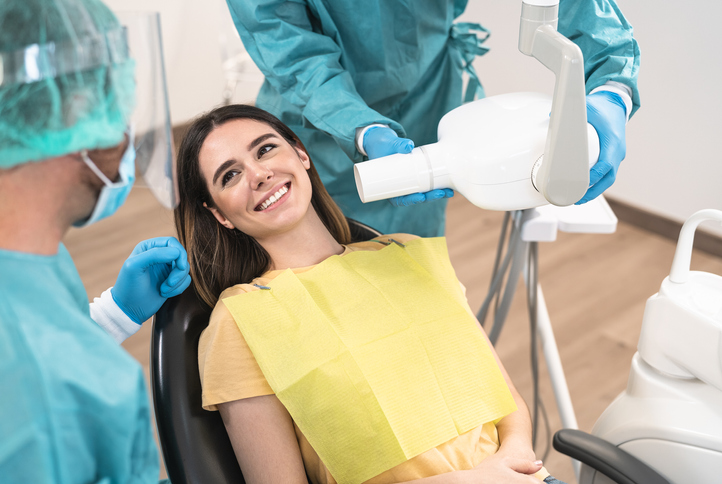
Oral surgeons, or dental surgeons, are medical doctors who specialize in surgeries of the mouth, sinuses, and jaw. They’re trained to diagnose the extent of damage that tooth decay, an accident or injury, chronic joint issues like TMJ disorder, or periodontitis has done to your mouth and then prepare a customized treatment to repair it. This often includes surgical procedures in the mouth or face.
At Dental Excellence, we have several team members who hold either a Master’s Degree in Dental Surgery or their Doctorate in Dental Surgery in addition to excelling in traditional dental school, qualifying them to perform many types of oral surgery. Today, they’re answering common questions patients have about oral surgery.
What Is Oral Surgery?
Any type of surgery performed in or around your jaw or mouth is considered oral surgery. Procedures range from tooth repair to a realignment of a jaw and reconstructive surgery after an accident. They are done by a specialist in dental surgery. If you’re seeking an oral surgeon, it’s important to find someone who is a board-certified oral surgeon.
An oral surgeon may have several different titles, according to their area of expertise, such as:
- Endodontists, who specialize in treating the soft pulp tissue inside the tooth and the tooth root. They often perform root canals.
- Periodontists, who focus on the diagnosis, treatment, and prevention of periodontal disease (gum disease) and are experts in the treatment of oral inflammation. They often place dental implants.
- Prosthodontists, who handle dental and facial restoration of the teeth and jaw structure. They’re ones who often treat temporomandibular disorders (TMJ) and are highly skilled in cosmetic and restorative dentistry, including placing dental implants, crowns, dentures, and bridges.
What Kinds of Oral Surgery Are There?
Oral surgery is an umbrella term that covers many different individual procedures. Sometimes, your treatment plan will involve more than one of these types of operations. For example, if you’re receiving oral surgery to remove a tumor, you may have additional reconstructive procedures afterward to repair any damage or abscesses the tumor caused. Or, if you’re receiving a dental implant to replace a missing tooth, you may have a bone grafting surgery prior to the implant being placed.
Common oral surgery procedures
- Root canal, preserving the tooth by removing the inflamed or infected tooth root
- Removing wisdom teeth, including those that are impacted
- Completing a gum or bone graft
- Placing dental implants
- Tooth and jaw repair after an accident or injury
- Maxillofacial surgery
How Do I Know If I Need Oral Surgery?
If you receive regular dental checkups – the American Dental Association recommends professional cleanings and exams every six months – then your dentist will likely spot small problems before they become larger ones. However, if they aren’t able to treat the oral concern themselves, they will recommend that you see a specialist. Other times, such as after an injury, you’ll want to see a restorative dentist or oral surgeon right away.
Preparing For Oral Surgery
Each procedure is different, and although many oral surgery procedures are minimally invasive, and can be done on an outpatient basis, these are still serious medical procedures, and it’s important to follow your physician’s directions carefully for the best results.
If you smoke or drink alcohol, try to abstain for a few days before your surgery and afterward, until you’re fully healed. Alcohol and the chemicals in cigarettes can slow the healing process and may cause inflammation or complications in your mouth following oral surgery.
Preparing your home before surgery so that you can comfortably rest and recover is also important. Check which kinds of foods and drinks you can have after your surgery and stock your fridge. If you have an active pet, you may wish to have a pet sitter help you out for the first couple of days. Clean the house and make your bed comfortable, so that you can rest peacefully as you heal. If possible, arrange for someone to give you a ride to and from the surgery, especially if you will have IV anesthesia or if you’ll be sedated.
You’ll likely have pre-surgical instructions from your oral surgeon, which often include not eating or drinking within 8-12 hours of your surgery.
What is Oral Surgery Recovery Like?
Depending on the kind of procedure you have done, recovery can take as little as a couple of days or as long as a month, if it’s intensive jaw realignment and reconstruction, or a bone graft. There will likely be some swelling around the site, and you may use an ice pack to soothe this or a warm compress. Instead of brushing your teeth, rinse your mouth with salt water every few hours to kill off any bacteria, and ask your oral surgeon when you can brush and floss normally again.
Can I eat after oral surgery?
Room temperature soft foods are the best to eat after surgery – and some of our patients may even choose to eat baby food. Don’t drink anything through a straw, and avoid overly hot or cold beverages.
Soft foods eaten at room temperature are the ideal foods to eat after oral surgery. Avoid consuming anything through a straw and don’t eat any hard, crunchy, or chewy foods.
Choose Dental Excellence For Your Oral Surgery!
At Dental Excellence, we can cover every aspect of keeping your mouth healthy, including regular dental procedures and complicated oral surgeries. We have several highly trained oral surgery specialists on staff to help with both reconstructive and cosmetic needs, plus gum disease treatment or tooth decay that can be painful and impact your overall health and quality of life. Give us a call today to discuss your symptoms and schedule a personalized consultation.